Introduction
In today's fast-paced globe, the relevance of being gotten ready for emergencies can not be overstated. Whether you are a moms and dad, educator, or an expert in the healthcare market, acquiring the skills to assist in clinical emergencies is important. This is where first aid courses come into play, particularly those that focus on CPR (Cardiopulmonary Resuscitation) techniques. While individual training offers its own qualities, team training in emergency treatment and CPR programs offers an unique set of advantages that boost understanding and retention.

This write-up checks out The Perks of Group Training in First Aid and mouth-to-mouth resuscitation Courses, highlighting why this approach can be extra effective than solo knowing. From hands-on practice to collaborative knowing settings, we will explore different aspects of group training and just how it can enhance your experience while acquiring your first aid certificate
What Is Team Training in Emergency Treatment and CPR?
Group training describes instructional sessions conducted with several participants who learn with each other under the assistance of a qualified instructor. In the context of emergency treatment and mouth-to-mouth resuscitation courses, this style allows individuals to engage with each various other while understanding important lifesaving skills.
How Does Group Training Work?
In group sessions, participants commonly go through a mix of academic knowledge and useful workouts. The teacher covers key concepts such as:
- Basics of first aid Techniques for executing CPR Use of automated external defibrillators (AEDs) Protocols for reacting to emergencies
Participants engage with role-playing scenarios, simulations, and hands-on technique. This interactive atmosphere cultivates better understanding and retention.
Types of Group Training Available
Group training can take numerous kinds:
- Workplace Training: Companies frequently organize first aid training courses for their employees. Community Workshops: Local companies often organize community classes. Educational Establishments: Colleges might consist of first aid training as component of their curriculum.
Each setup has its unique benefits that cater to details needs.
The Advantages of Group Training in First Aid and Mouth-to-mouth Resuscitation Courses
1. Enhanced Learning Opportunities
Group settings normally facilitate discussions that boost understanding. Participants can share experiences or ask questions they could hesitate to voice in specific sessions.
Why is Peer Communication Important?
Peer interaction urges varied point of views on handling emergencies. For example, when going over various types of injuries or clinical situations, different individuals may have run into unique circumstances that provide valuable insights.
2. Realistic Technique Scenarios
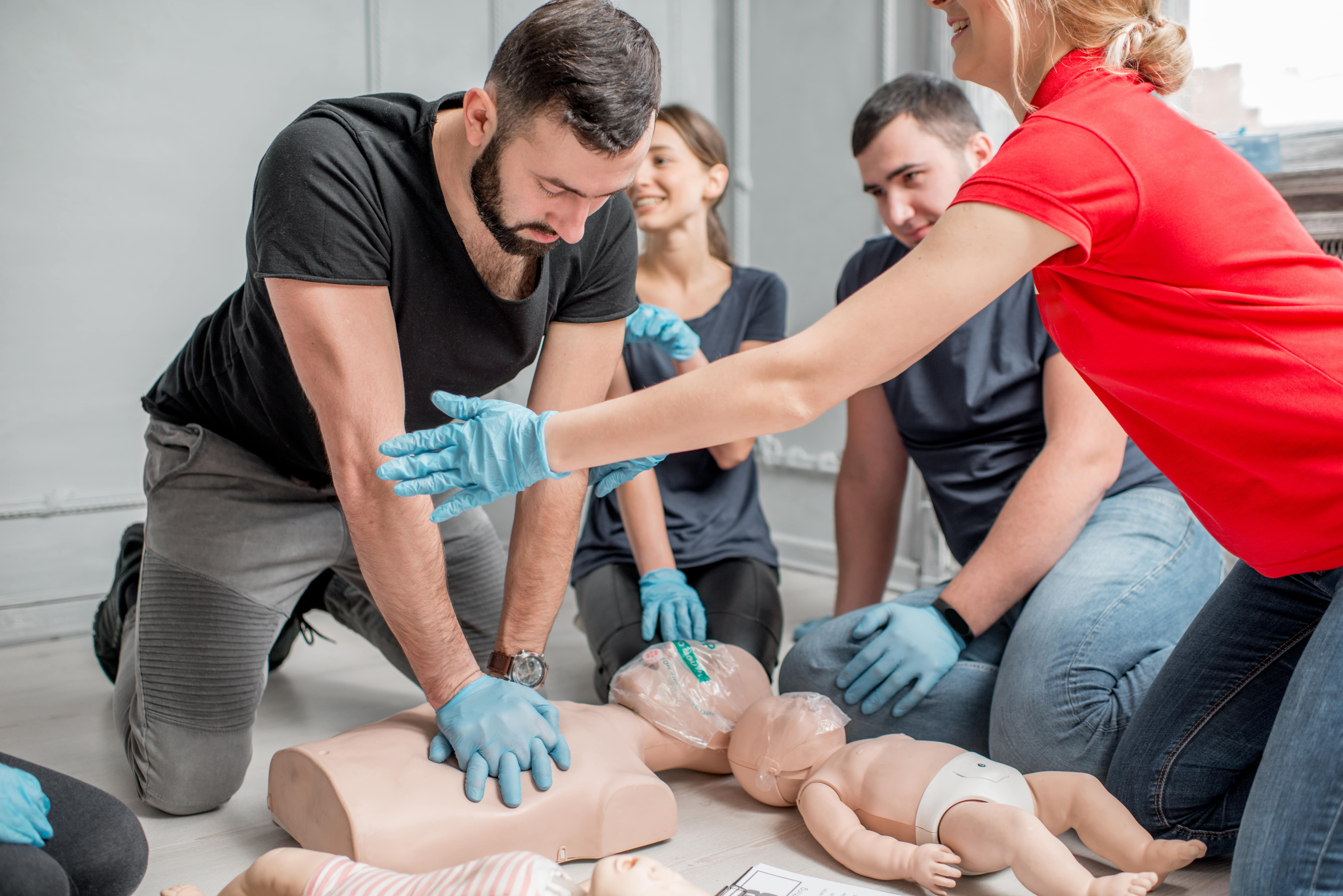
One significant benefit of team training is the chance for reasonable technique circumstances. Individuals can exercise on each various other making use of manikins or role-play emergency situations.

How Does This Improve Skills?
Practicing in real-time assists solidify techniques like breast compressions or rescue breaths via muscle mass memory. The even more comfy individuals feel doing these actions, the far better prepared they will be throughout a real emergency.
3. Building Confidence Through Collaboration
When people train with each other, they cultivate a feeling of friendship that can construct confidence levels significantly.
What is the Link In Between Synergy and Confidence?
Working as component of a team makes it possible for learners to support one another psychologically. If someone struggles with a particular ability-- like applying bandages-- others can step in to provide support or encouragement.
Psychological Benefits of Team Training
4. Lowered Stress And Anxiety Levels
Anxiety concerning executing emergency treatment or mouth-to-mouth resuscitation appropriately can prevent performance during real-life situations.
How Can Team Settings Reduce This Fear?
In a supportive team atmosphere, people are less most likely to really feel isolated with their fears; shared experiences frequently normalize sensations of anxiousness. In addition, practicing along with peers allows them to witness others making errors without judgment.
Website link5. Motivation Through Shared Goals
Group dynamics usually foster motivation from shared goals.
What Drives this Motivation?
When everyone intends towards making their emergency treatment certificates together, individuals are encouraged to push themselves even more than they could alone. This cumulative ambition fuels dedication amongst peers.
Cost-Effectiveness of Team Educating Sessions
6. Affordable Solutions for Organizations
For organizations aiming to educate workers in first aid and CPR methods, team sessions frequently verify more economical than individually instruction.
Why is Bulk Prices Beneficial?
Many training carriers provide discounts for larger groups participating in the very same course at the same time-- making it financially practical for business focusing on thorough safety measures without breaking the bank.
Social Conveniences: Networking Opportunities
7. Creating Links Amongst Participants
Training with each other builds relationships beyond just finding out lifesaving skills; it also cultivates networking possibilities among area members or colleagues alike.
How Can These Connections Be Valuable?
Networking within a group produces avenues for collaboration in the future-- whether it's establishing work environment safety protocols or developing regional emergency response teams after completing their first aid courses.
Accessing Various Discovering Styles
8. Dealing With Different Learning Preferences
People learn in different ways; some soak up information best through visual help while others benefit from hands-on techniques or auditory guidelines from instructors.
Can Team Setups Tailor Learning Experiences?
In team settings led by skilled fitness instructors furnished with diverse teaching approaches-- consisting of video clips demonstrating mouth-to-mouth resuscitation techniques-- individuals have multiple resources available simultaneously providing particularly towards their chosen styles!
FAQs regarding Group Training in Emergency Treatment and CPR Courses
1. What certifications should my fitness instructor have?
Your fitness instructor need to possess appropriate accreditations from identified companies such as the American Heart Association (AHA) or Red Cross along with considerable training experience!
2. Is there an age demand for participating?
Most programs accept individuals aged 12 years of ages and above; however, it's advisable always inspect in advance since different companies might have certain limitations based upon age groups!
3. How long does it typically require to complete these courses?
Depending upon the kind picked-- a standard course might last around 4-- 6 hours while advanced ones might extend up-to 2 days!
4. Will certainly I get an accreditation upon completion?
Absolutely! The majority of trusted organizations provide certifications confirming conclusion as soon as you have actually successfully passed any kind of called for evaluations evaluated by your trainer!
5. Can I take part if I have no prior experience?
Yes! Many people register without any history expertise due to the fact that trainers damage down principles into workable components catered towards beginners!
6. Are there refresher courses available after obtaining certified?
Definitely! The majority of organizations prompt individuals re-certify every two years considering that guidelines advance routinely ensuring you stay upgraded with present practices!
Conclusion
The benefits stemmed from taking part in group training for emergency treatment and mouth-to-mouth resuscitation training courses are immense-- from boosted learning chances via peer communications down to emotional assistance fostering self-confidence among students alike! Not just does this collective technique make obtaining important lifesaving skills satisfying but additionally guarantees all entailed leave feeling well-prepared should real-life emergency situations develop down-the-line!
If you're contemplating whether group-based education and learning suits your needs best when going after an extensive understanding regarding dealing with immediate care situations effectively then look no more-- the evidence speaks volumes! So gear up today by enlisting yourself into one such program near you; come to be an empowered specific qualified sufficient not just save lives yet also influence others around you too!